39.69° N · 3.02° E — THE YACHT MEDIC
1. Medical Training for the Moment Help is A Long Way Away
Approved - STCW Medical qualifications and Psychological First Aid at Sea
Taught by a Health Educator, Emergency Nurse & Professional Sailor with 30 years on the water, not just in the classroom.
MCA Approved - STCW Compliant in Palma de Mallorca, and Onboard Worldwide
MCA Approved - STCW Compliant
Onboard Training Globally
Classroom Training Palma de Mallorca
The recognised maritime medical qualifications - for anyone designated to give first aid or take charge of medical care onboard.
Medical First Aid (3 Days )
Proficiency in Medical Care (4.5 Days)
Update in Medical Care (3 Days)
Psychological First Aid (0.5-2 Days)
Bespoke Training
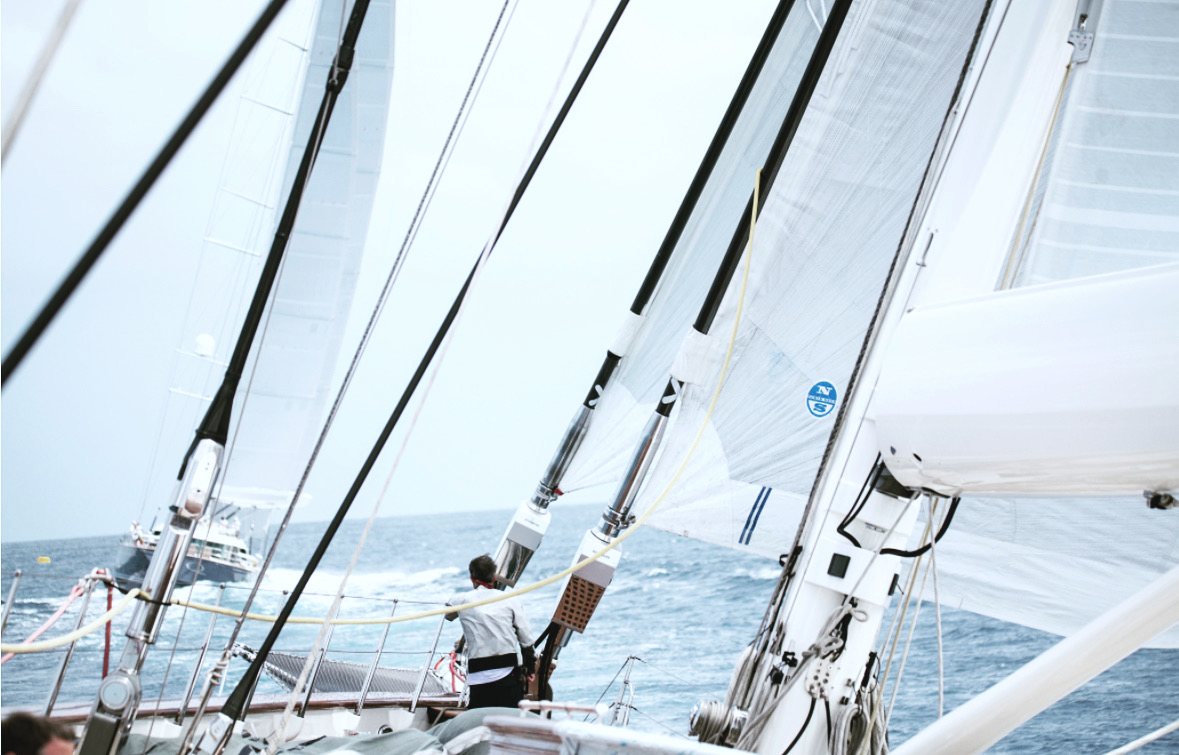
Psychological First Aid at Sea
Every crew knows what to do about a wound, almost none know what to do about the fear.
The missing part of the medical kit.
The WHO Look, Listen & Link model adapted for maritime.
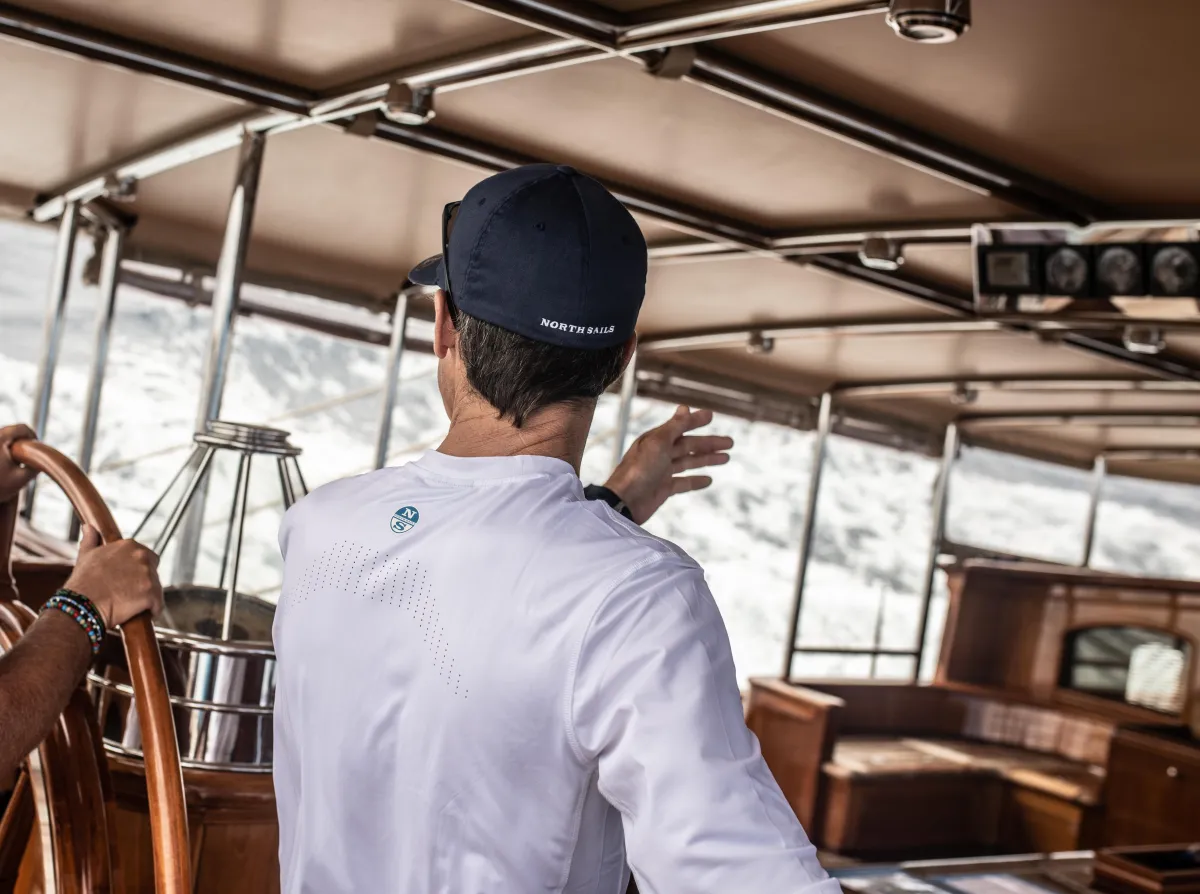
Resilience at Sea
Resilience at Sea — a 27-page handbook for superyacht crew on the people problems nobody trains you for: an owner losing their temper, a crewmate falling apart, and the aftermath everyone pretends didn't happen.
With practical scripts, clear escalation thresholds, and a tear-out quick reference. Not therapy, not clinical training. The words to use when help is hours away.
.
About Amanda
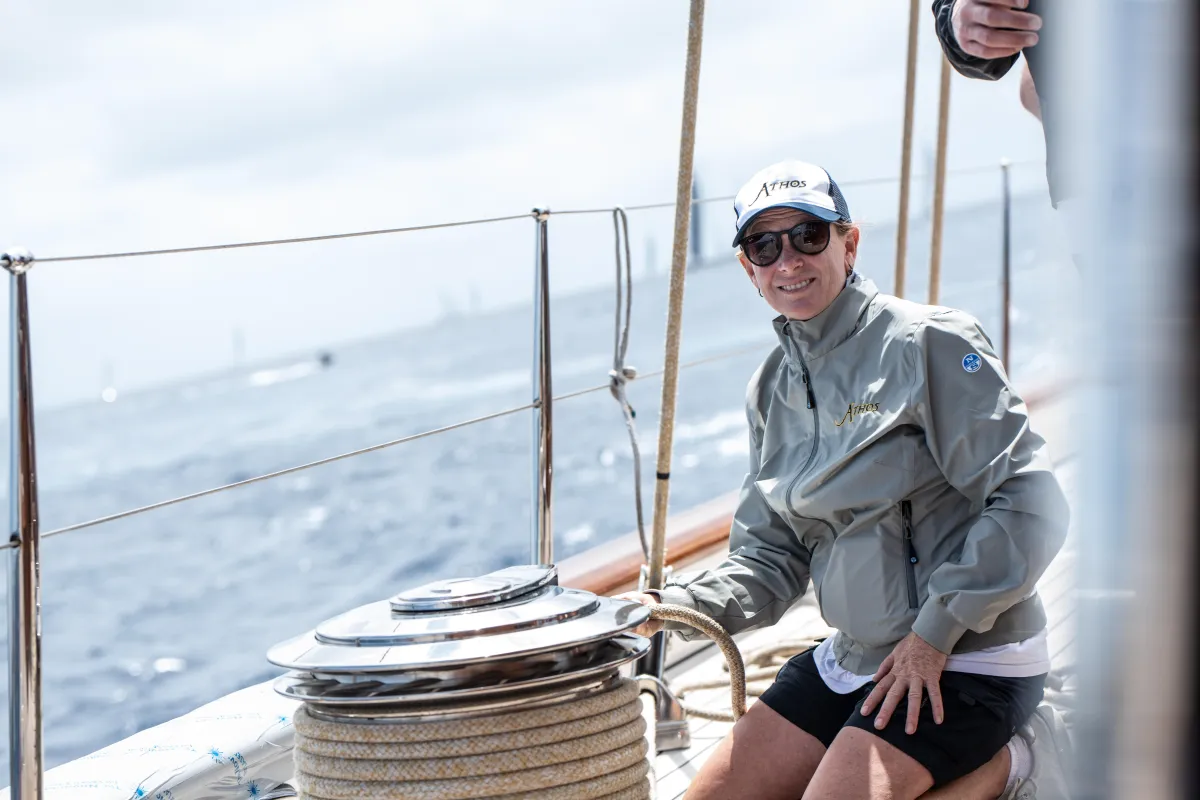
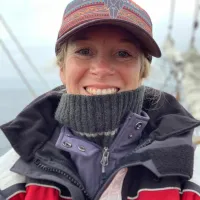
The Yacht Medic is Amanda Hewson Beaver — a registered nurse, former paramedic, and rescue and retrieval nurse who has been the nearest person more times than she can count. In the outback, in refugee camps, offshore, and on the deck of a boat a long way from help.
She has been the medic on the Sydney Hobart, the Fastnet, and the Rolex 600, and has trained Olympic, Ocean Race, America's Cup, and J Class teams. She teaches what she has actually done — which is why crew remember it.

Meningitis at Sea: Urgent Action Saves Lives
Health, Travel Safety, Medical Emergencies
Meningitis at Sea: Why Minutes Matter When You’re Miles from Help
Meningitis is rare, but when it strikes, it can turn a seemingly mild headache into a life‑threatening emergency in just a few hours. For anyone working or holidaying on yachts and other remote vessels, understanding the early signs, acting fast, and planning ahead can literally save lives.
Why Meningitis Is So Dangerous
Meningitis is an inflammation of the protective membranes around the brain and spinal cord, usually caused by a viral or bacterial infection. Bacterial meningitis, in particular, is a medical emergency. It can lead to septic shock, brain damage, or death if treatment is delayed, sometimes within 24 hours of the first vague symptoms. Even with modern medicine, a significant proportion of patients do not survive, and many who do are left with life‑changing complications.
In close‑quarters environments such as yachts, crew houses, or charter cabins, people share air, bathrooms, and mealtimes. This increases the risk of certain meningitis‑causing bacteria spreading quickly through droplets from coughing, sneezing, or even close conversation.
From “Flu‑Like” to Critical: How Fast Meningitis Can Progress
One of the most frightening aspects of meningitis is its rapid progression. The day can begin with what looks like a minor illness and end in intensive care. Early on, symptoms may mimic a simple viral infection:
Headache and feeling “off” or unusually tired
Mild fever, chills, or body aches like a typical flu
Nausea, vomiting, or loss of appetite
Over a few hours, symptoms can escalate dramatically as the brain and nervous system become involved. People may develop a stiff neck, intense sensitivity to light, confusion, agitation, or drowsiness that is hard to wake them from. In some forms of meningococcal disease, a dark, bruise‑like rash can appear and spread quickly – a sign of overwhelming blood infection.
📌 Key Takeaway: If someone deteriorates rapidly over hours, especially with headache, fever, and confusion or a rash, treat it as meningitis or sepsis until a doctor proves otherwise.
Why Yachting Environments Need Extra Vigilance
Life at sea combines several risk factors. Yachts are confined, shared living spaces where crew and guests spend long periods in close contact. Fatigue, sun exposure, alcohol, and seasickness can all mask or mimic early symptoms of meningitis, making it easy to dismiss a crew member’s complaints as “just a bug” or a hangover.
Distance from shore also matters. A yacht several hours from the nearest port, or operating in regions with limited medical facilities, cannot rely on simply “keeping an eye” on a deteriorating patient. By the time the situation is obviously critical, it may already be too late to arrange safe evacuation and reach hospital‑level care in time.
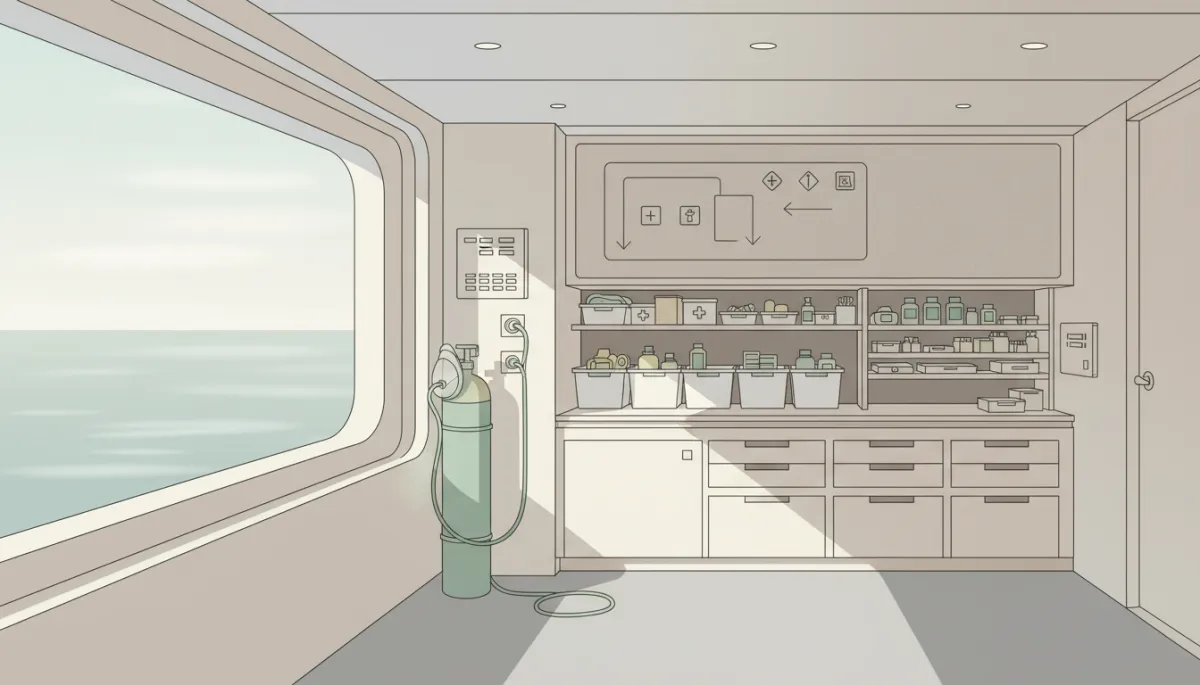
Clear protocols and ready equipment help crews escalate meningitis emergencies without delay.
Recognising Early Signs and Escalating Quickly
On board, every crew member should be familiar with red‑flag symptoms that demand urgent medical advice:
Sudden, severe headache unlike usual headaches
Fever with neck stiffness or pain when bending the neck
Confusion, slurred speech, or difficulty staying awake
Seizures or unresponsiveness
Any rapidly spreading dark or purple rash with fever
💡 Pro Tip: On a yacht, “wait and see” is not a safe strategy. If meningitis is even a possibility, call your tele‑medical provider or emergency services immediately and follow their instructions.
Long‑Term Consequences for Survivors
Surviving meningitis is not always the end of the story. Depending on the type and severity, survivors may live with permanent complications, including:
Hearing loss or ringing in the ears
Problems with memory, concentration, or mood changes
Seizure disorders or ongoing neurological difficulties
In severe cases, limb loss or mobility problems after sepsis
For yacht crew, whose careers depend on physical fitness, sharp senses, and quick thinking, these after‑effects can end a vocation and change the course of a life. This is why prevention and early action are so heavily emphasised in maritime health training.
Vaccination: A Powerful Line of Defence
Several vaccines are available to protect against the most common and dangerous causes of bacterial meningitis, including meningococcal, pneumococcal, and Haemophilus influenzae type b (Hib) infections. While no vaccine can prevent every case, being appropriately vaccinated can dramatically reduce the risk of severe disease and outbreaks in close‑living groups like yacht crews.
Yacht owners and management companies should work with maritime medical advisors to develop a vaccination policy that reflects crew ages, travel routes, and regional disease patterns. New crew joining from different parts of the world may have very different vaccination histories, so checking and updating protection before long deployments is crucial.
Emergency Preparedness and Evacuation Planning
Even with vaccination and awareness, meningitis can still occur. That is why every yacht should have a clear, practised plan for medical emergencies, including suspected meningitis or sepsis. Key elements include:
24/7 access to tele‑medical support and clear instructions on when to call
A stocked medical chest with medications and equipment recommended for remote operations
Pre‑identified ports of refuge and hospitals along planned routes
Agreed procedures for requesting helicopter evacuation or fast‑boat transfer if advised
⚠️ Warning: In meningitis, delays of even one or two hours can make the difference between full recovery and permanent disability or death. Build your evacuation plan assuming you will need to move quickly.
Bringing It All Together at Sea
Meningitis is a small but serious risk that deserves respect, especially in isolated environments like yachts. Understanding how quickly it can evolve from mild, flu‑like symptoms to a critical emergency, recognising early warning signs, and having the confidence to escalate fast are essential skills for captains, medical officers, and crew alike.
Combine vaccination, education, and robust emergency planning and you significantly improve the odds that if meningitis ever does appear on board, everyone gets the best possible chance of survival and recovery – no matter how far you are from shore.