39.69° N · 3.02° E — THE YACHT MEDIC
1. Medical Training for the Moment Help is A Long Way Away
Approved - STCW Medical qualifications and Psychological First Aid at Sea
Taught by a Health Educator, Emergency Nurse & Professional Sailor with 30 years on the water, not just in the classroom.
MCA Approved - STCW Compliant in Palma de Mallorca, and Onboard Worldwide
MCA Approved - STCW Compliant
Onboard Training Globally
Classroom Training Palma de Mallorca
The recognised maritime medical qualifications - for anyone designated to give first aid or take charge of medical care onboard.
Medical First Aid (3 Days )
Proficiency in Medical Care (4.5 Days)
Update in Medical Care (3 Days)
Psychological First Aid (0.5-2 Days)
Bespoke Training
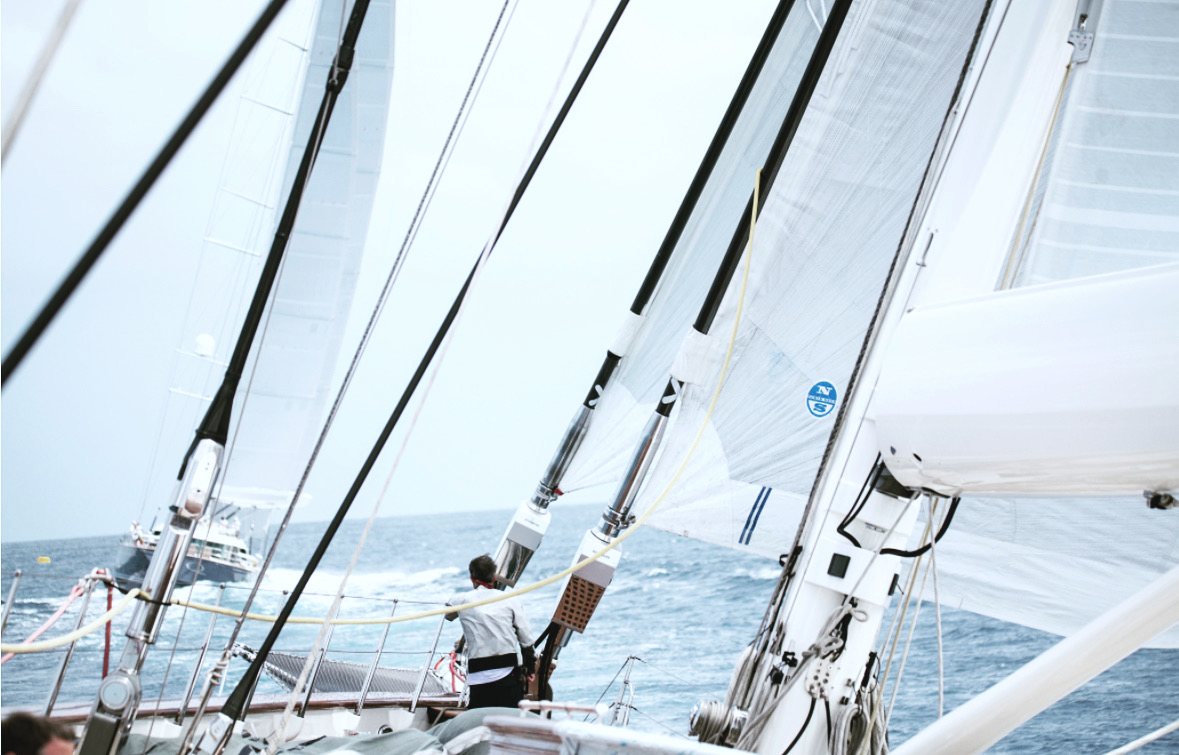
Psychological First Aid at Sea
Every crew knows what to do about a wound, almost none know what to do about the fear.
The missing part of the medical kit.
The WHO Look, Listen & Link model adapted for maritime.
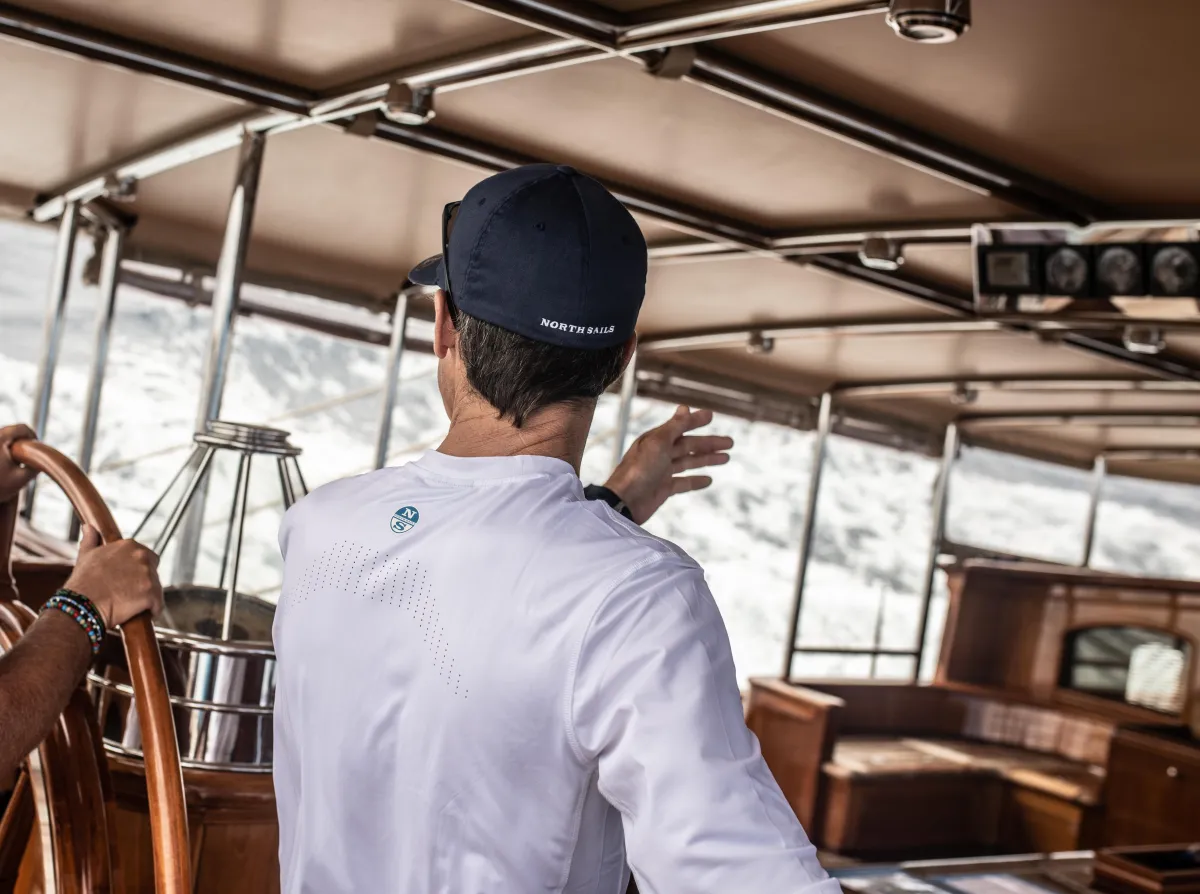
Resilience at Sea
Resilience at Sea — a 27-page handbook for superyacht crew on the people problems nobody trains you for: an owner losing their temper, a crewmate falling apart, and the aftermath everyone pretends didn't happen.
With practical scripts, clear escalation thresholds, and a tear-out quick reference. Not therapy, not clinical training. The words to use when help is hours away.
.
About Amanda
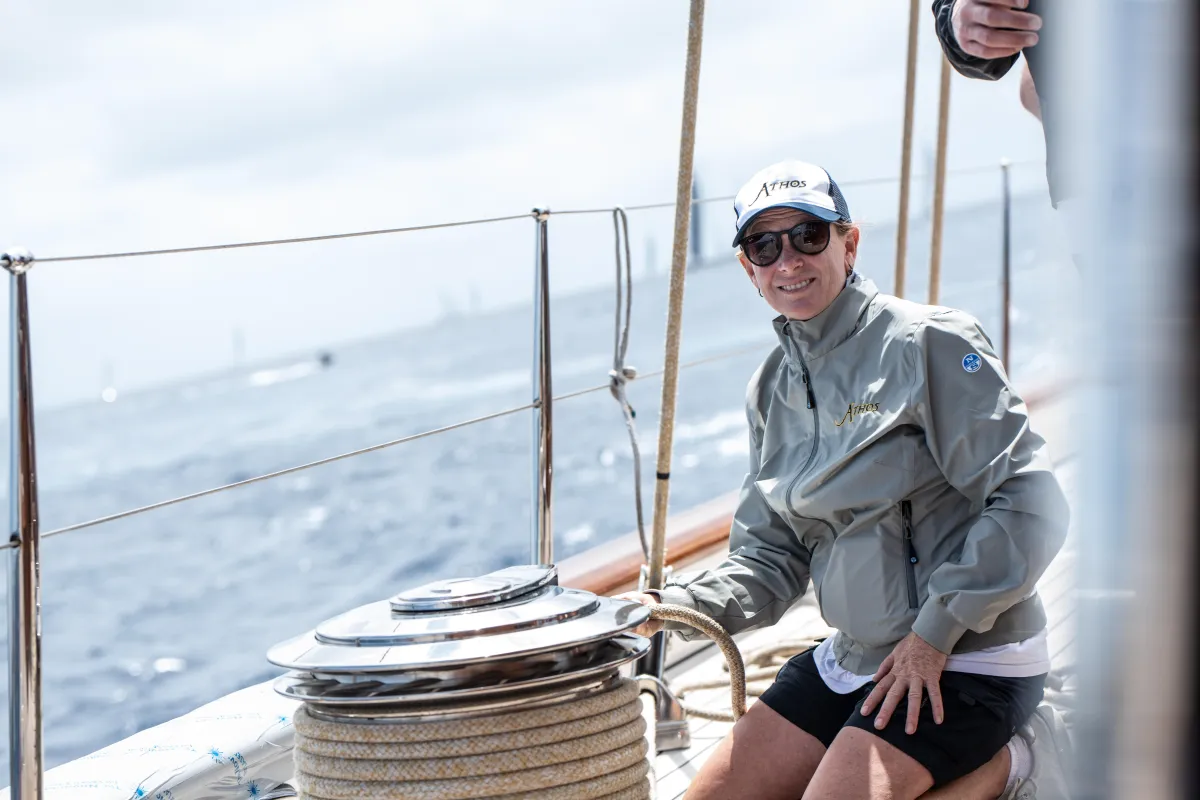
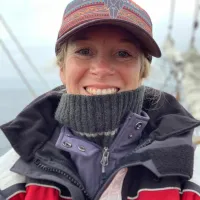
The Yacht Medic is Amanda Hewson Beaver — a registered nurse, former paramedic, and rescue and retrieval nurse who has been the nearest person more times than she can count. In the outback, in refugee camps, offshore, and on the deck of a boat a long way from help.
She has been the medic on the Sydney Hobart, the Fastnet, and the Rolex 600, and has trained Olympic, Ocean Race, America's Cup, and J Class teams. She teaches what she has actually done — which is why crew remember it.
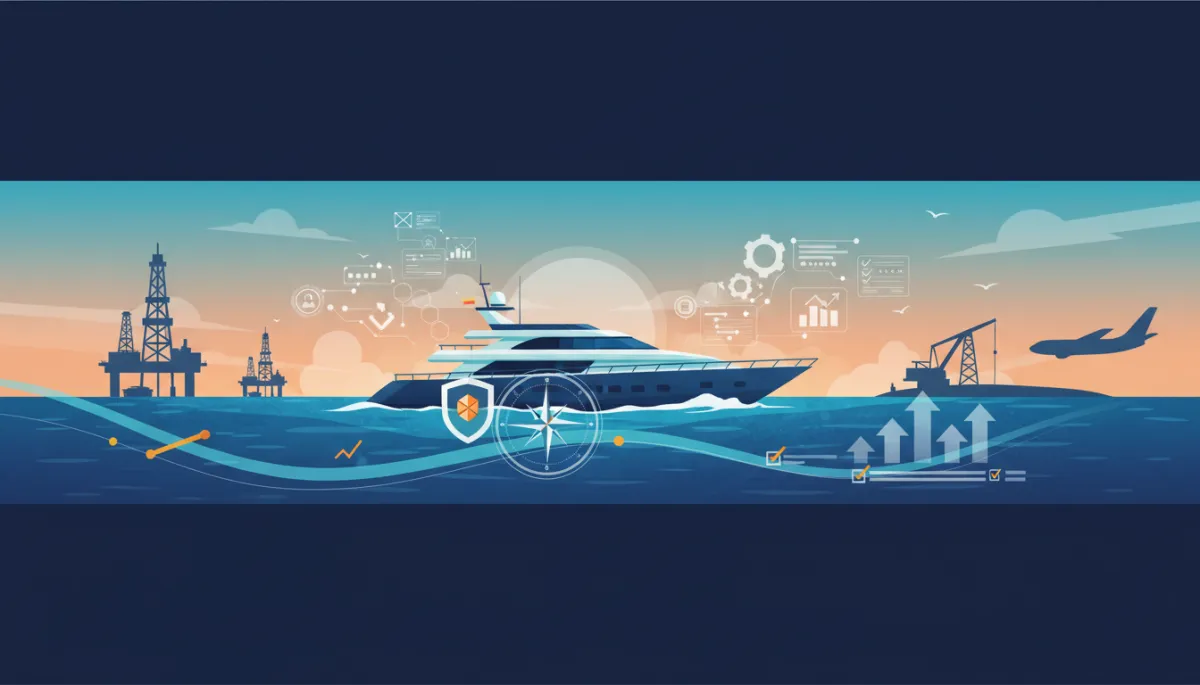
Risk Assessment & Emergency Preparedness in Yachting
Yachting, Safety, Risk Management
Risk Assessment and Emergency Preparedness in Yachting: From Routine to Ready
Serious yachting demands more than good seamanship and modern equipment. It requires a dynamic approach to risk, structured teamwork, and well‑rehearsed emergency plans that are specific to each voyage and vessel.
From Static to Dynamic Risk Management at Sea
Traditional yacht risk assessments often live in a folder or on a hard drive, updated once a year and rarely revisited. In contrast, dynamic risk management treats risk as something that changes with the weather, crew, itinerary, and condition of the vessel. It is a continuous loop of observe – assess – decide – act – review.
On a yacht, dynamic risk management means actively scanning for new hazards before departure, during watch changes, when the plan changes, and whenever something “doesn’t feel right.” A squall line on the radar, a fatigued deck hand, a tender that has been acting up – these should all trigger a quick, structured conversation: What could go wrong? How likely is it? What do we change now to reduce the risk?
Structured Teamwork Training: Everyone Has a Role
Even the best plan fails if the team cannot execute under pressure. Structured teamwork training turns a group of individuals into a coordinated response unit. This goes beyond a quick safety talk before departure. It involves clear role definition, communication protocols, and realistic drills that mirror likely emergencies onboard your yacht.
Borrow from aviation’s crew resource management: use standard phrases, closed‑loop communication (“Mayday call made, captain.”), and clear command structures. Practice how the team works together in a fire, a man overboard, a medical emergency, or a loss of steering. The goal is for every crew member to know exactly what to do, who to support, and how to speak up if they see a developing risk.
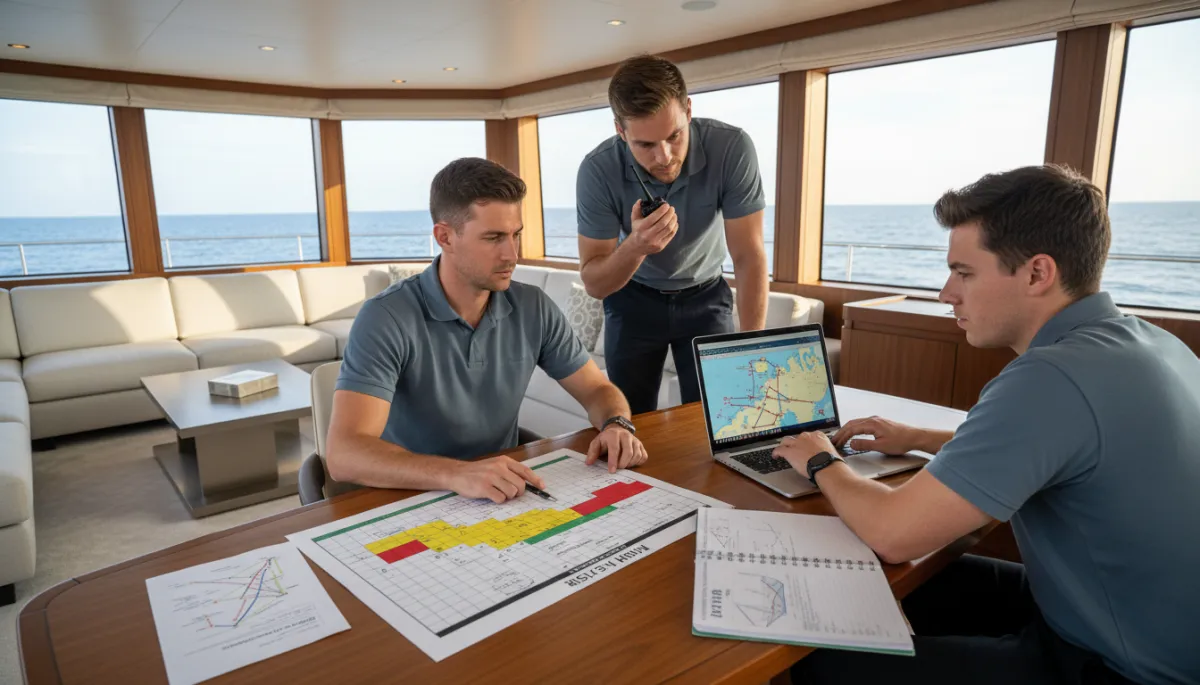
Regular tabletop drills turn written procedures into instinctive crew responses.
Building Comprehensive Emergency Management Plans
A comprehensive emergency management plan is more than a folder of checklists. It is an integrated system that covers prevention, detection, response, communication, and recovery for the full range of credible scenarios your yacht might face. That includes fire, flooding, collision, grounding, severe weather, medical emergencies, security threats, and loss of critical systems like power or navigation.
Effective plans are written in clear, simple language and broken into step‑by‑step actions for each role. They specify who leads, who calls for help, who musters guests, who manages damage control, and how information is shared. They also define decision thresholds: when to turn back, when to divert, when to abandon ship. Crucially, these plans are not static documents; they are living tools that are tested, refined, and updated after every drill and real incident.
Lessons from Offshore Energy, Mining, and Aviation
High‑hazard industries such as offshore energy, mining, and aviation have spent decades refining how they manage risk. Yachting can benefit directly from their lessons. Offshore installations use layered barriers – technical systems, procedures, and human checks – so that no single failure leads to disaster. Mining operations emphasize “critical controls” for their top risks and verify them relentlessly. Aviation treats near‑miss reports as gold, using them to strengthen training and procedures before an accident occurs.
Applied to yachting, this means identifying your highest‑consequence risks and building multiple layers of protection around them: robust equipment, clear procedures, competent people, and regular verification. It also means encouraging open reporting of mistakes and close calls, then using those insights to improve your emergency management and teamwork training rather than to assign blame.
Voyage‑Specific, Rehearsed Procedures
No two passages are identical. A coastal weekend with sheltered anchorages carries different risks from an offshore crossing or a high‑latitudes expedition. Voyage‑specific, rehearsed procedures bridge the gap between your general emergency plan and the realities of the next trip. Before departure, the captain and senior crew should walk through the route, weather windows, port facilities, and onboard limitations, then adapt procedures accordingly.
For example, in remote areas with limited rescue options, you might rehearse extended medical care and damage control scenarios. In busy shipping lanes, you may focus more on collision avoidance, loss of steering, and man overboard at night. The key is not only to brief these plans but to practice them – on deck, with radios, lifejackets, and real timings, so the crew experiences the pressure and logistics in advance.
Regularly Reviewing Top Risks and Keeping Plans Actionable
A practical way to embed all of this is to regularly review your top risks. Once a month, or at the start of each new charter or passage, gather the team and ask: What are the five events that could hurt people, damage the yacht, or seriously disrupt the voyage? Has anything changed since last time – crew, equipment, destination, season – that alters our risk picture?
From that discussion, develop clear, actionable plans to improve safety and response readiness. Assign owners, set deadlines, and keep the actions small and concrete: update the man‑overboard card at the helm, run a nighttime drill, revise the grab‑bag contents, refresh medical training, or test an alternative communication channel. Over time, these incremental improvements build a culture where risk is managed actively and emergencies are met with calm, practiced responses.
📌 Key Takeaway: Treat risk management as a living process, not a paper exercise. Dynamic assessment, structured teamwork, and rehearsed voyage‑specific procedures together create a yacht that is genuinely ready for the unexpected.