39.69° N · 3.02° E — THE YACHT MEDIC
1. Medical Training for the Moment Help is A Long Way Away
Approved - STCW Medical qualifications and Psychological First Aid at Sea
Taught by a Health Educator, Emergency Nurse & Professional Sailor with 30 years on the water, not just in the classroom.
MCA Approved - STCW Compliant in Palma de Mallorca, and Onboard Worldwide
MCA Approved - STCW Compliant
Onboard Training Globally
Classroom Training Palma de Mallorca
The recognised maritime medical qualifications - for anyone designated to give first aid or take charge of medical care onboard.
Medical First Aid (3 Days )
Proficiency in Medical Care (4.5 Days)
Update in Medical Care (3 Days)
Psychological First Aid (0.5-2 Days)
Bespoke Training
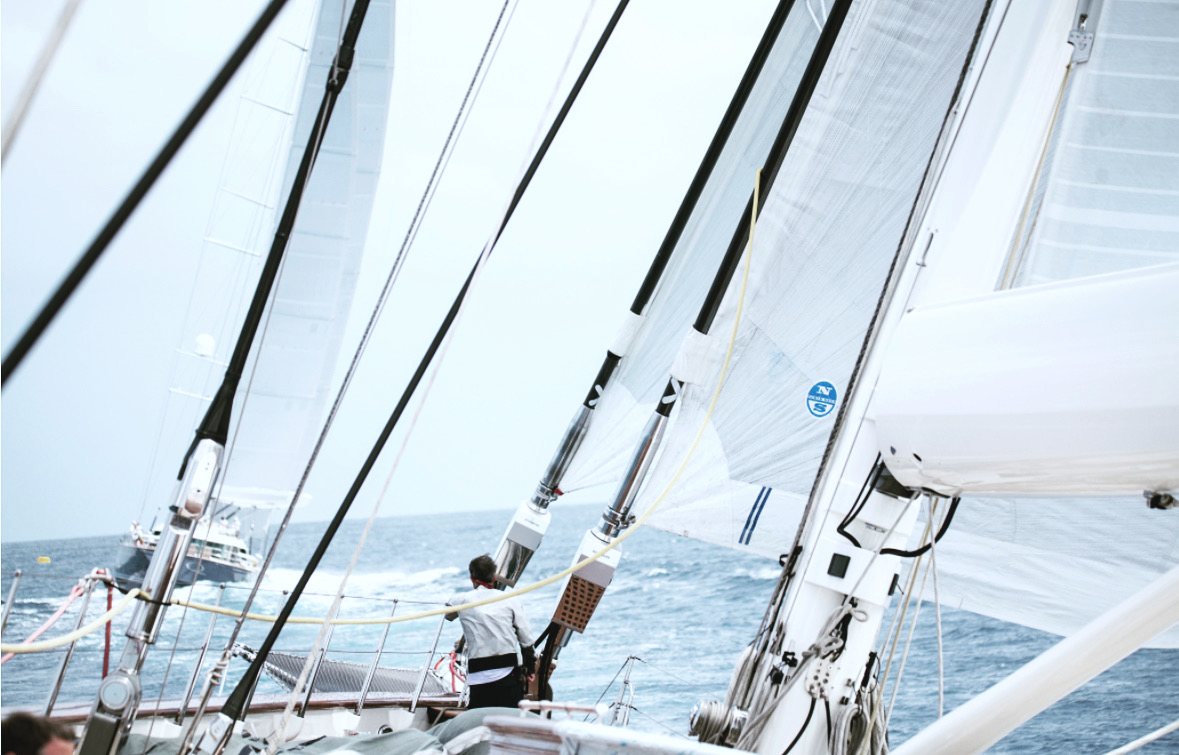
Psychological First Aid at Sea
Every crew knows what to do about a wound, almost none know what to do about the fear.
The missing part of the medical kit.
The WHO Look, Listen & Link model adapted for maritime.
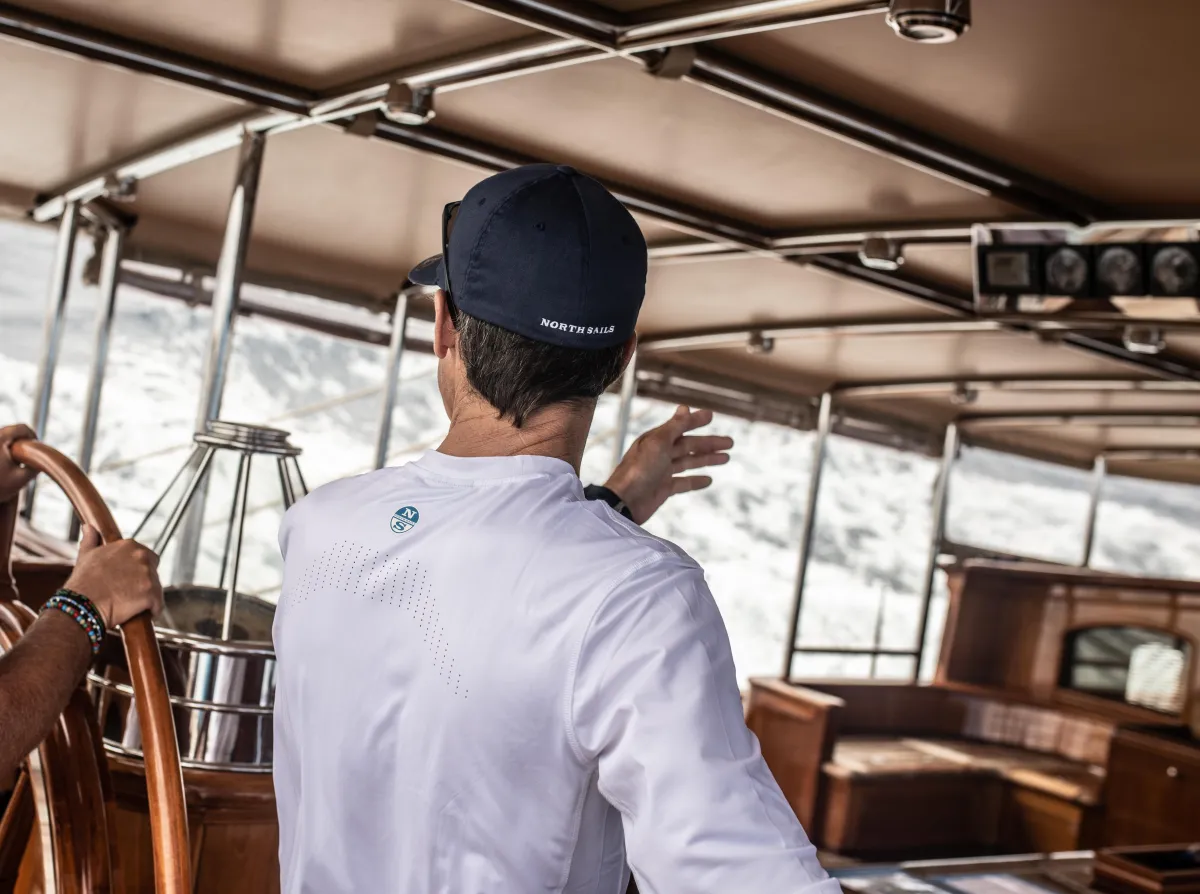
Resilience at Sea
Resilience at Sea — a 27-page handbook for superyacht crew on the people problems nobody trains you for: an owner losing their temper, a crewmate falling apart, and the aftermath everyone pretends didn't happen.
With practical scripts, clear escalation thresholds, and a tear-out quick reference. Not therapy, not clinical training. The words to use when help is hours away.
.
About Amanda
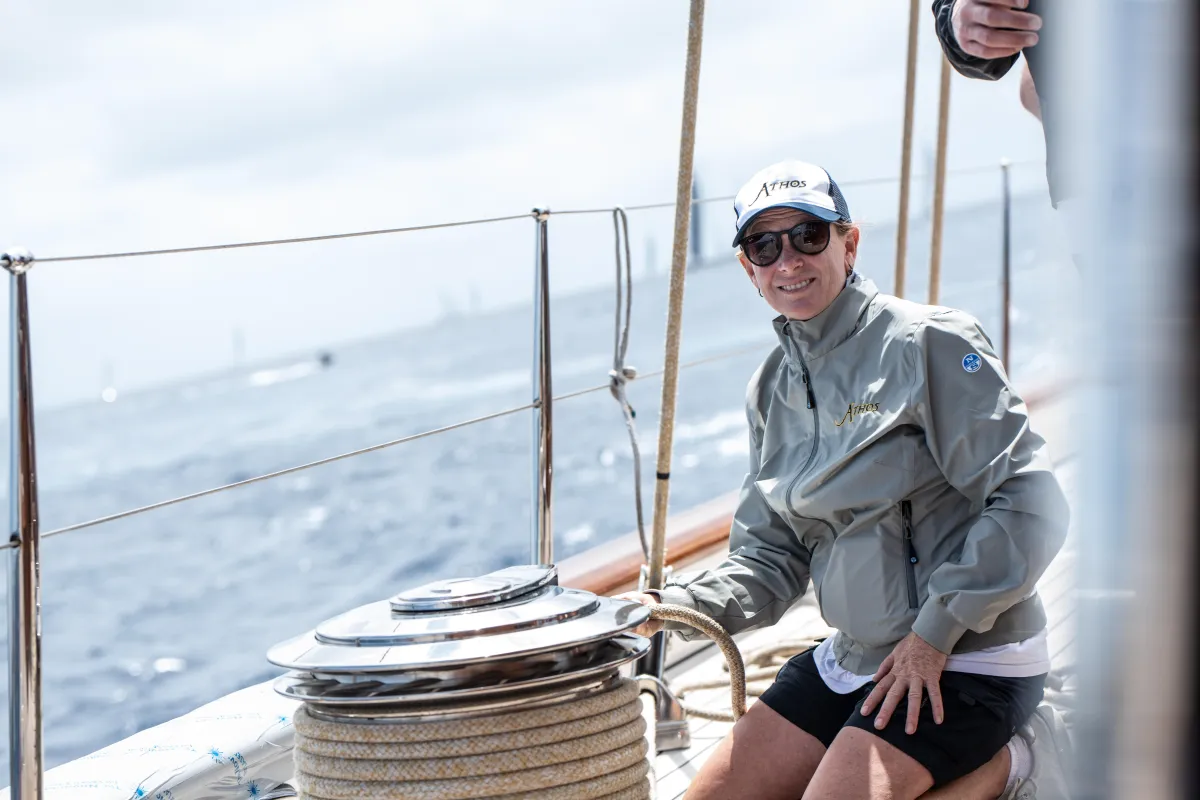
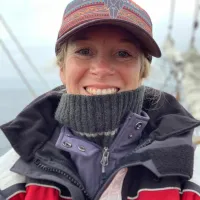
The Yacht Medic is Amanda Hewson Beaver — a registered nurse, former paramedic, and rescue and retrieval nurse who has been the nearest person more times than she can count. In the outback, in refugee camps, offshore, and on the deck of a boat a long way from help.
She has been the medic on the Sydney Hobart, the Fastnet, and the Rolex 600, and has trained Olympic, Ocean Race, America's Cup, and J Class teams. She teaches what she has actually done — which is why crew remember it.
The Ship's Doctor & Nursing the Insane: A Legacy
History, Maritime Medicine, Mental Health
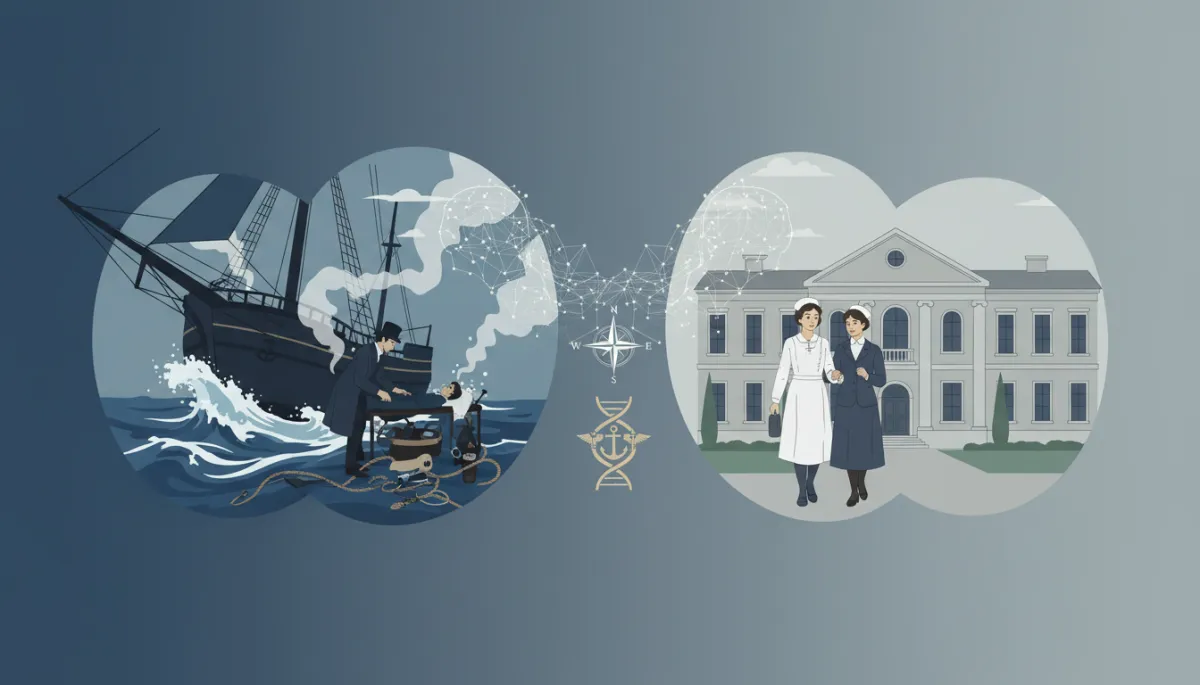
The Ship’s Doctor & Nursing the Insane: Two Brothers, One Quiet Courage
How a nineteenth‑century ship’s surgeon and his brother, a psychiatric nurse, shaped a family legacy of calm leadership, psychological first aid, and compassionate communication in times of crisis.
Two Brothers at the Edges of the World
In my family’s stories, two brothers stand out like bookends on a shelf of quieter lives. The elder sailed as a ship’s surgeon in the late nineteenth century, moving between coal‑smudged ports and open ocean. The younger stayed ashore, working as a psychiatric nurse in an era when “lunatic asylums” were only just becoming mental hospitals. Their worlds could not have looked more different, yet both spent their days managing people under intense strain and learning the discipline of composure when everything around them wavered.
The Ship’s Surgeon: Emergencies at Sea
The ship’s doctor served on steamers trading between Britain, the Cape, and Australia. His “hospital” was a narrow cabin that smelled of carbolic and salt, stocked with a few instruments, laudanum, bandages, and a dog‑eared manual of surgery. When something went wrong at sea, it went wrong far from help. A crushed hand in the engine room, a fall from the rigging, a sudden fever in the tropics—there were no second opinions, no ambulance sirens, only the thud of boots on timber as the crew carried a patient below.
Family letters describe him as “quiet in a storm,” the man everyone watched when the sea turned ugly. His first duty, they said, was not the scalpel but the voice: steady, measured, almost boring in its calm. He would talk the injured man through each step, explain to the captain what he could and could not do, and keep the rest of the crew from spiralling into panic. On a rolling deck, with the ship pitching and the patient groaning, composure itself became a form of treatment.
The Psychiatric Nurse: Order Behind Locked Doors
His younger brother worked in a large Victorian institution on the outskirts of a growing industrial town. High walls, long corridors, and polished wards gave the impression of order, but behind the doors were people whose lives had been capsized by grief, war, poverty, and illness. He was called a “keeper” at first, then gradually a nurse as ideas of care began to shift from custody to compassion.
His work environment was the opposite of the open sea: controlled, contained, predictable on the surface. Yet the emotional weather could change in a heartbeat. A patient might suddenly lash out; another could fall into terrifying silence. Here, too, his main tool was not restraint but presence. He learned to stand at just the right distance, to keep his hands visible, to speak slowly and respectfully to someone whose thoughts were racing. Where his brother steadied men battered by waves, he steadied minds battered by their own storms.

Early psychiatric nursing relied on calm presence long before modern therapies existed.
Shared Skills: Managing People Under Strain
On paper, a steamship and a mental hospital share little. One is noise, smoke, and salt; the other, tiled floors and institutional routine. Yet the brothers’ stories reveal the same core demands: people in crisis, limited resources, and no option to walk away. Both had to make decisions quickly, often with incomplete information, while others watched their faces for cues on whether to panic or breathe.
In both environments, composure was contagious. A calm doctor could settle a terrified crew; a grounded nurse could de‑escalate a ward on the verge of chaos. They learned, intuitively, what we would now call the basics of psychological containment: speaking in short, clear sentences, acknowledging fear without feeding it, and staying physically steady—feet apart, shoulders relaxed—when others shook. These were not framed as techniques; they were simply how you behaved if you wanted everyone to make it through the night.
From Family Stories to Psychological First Aid
Today, much of what they did by instinct has a name: Psychological First Aid (PFA). Modern guidance emphasises protecting people from further harm, listening without forcing them to talk, offering practical support, and connecting them to ongoing help. When I read those principles, I hear faint echoes of my great‑relatives’ practice: the ship’s surgeon reassuring a shaken deckhand that his trembling is normal, the psychiatric nurse sitting beside a patient after a violent outburst, saying, “You’re safe now; we’ll sort this bit by bit.”
Modern communication after critical incidents also builds on foundations they would recognise. We now talk about defusing, structured briefings, and trauma‑informed language, but the heart of it remains simple: be honest, be clear, and do not abandon people to their imaginations. My ship’s doctor ancestor would have understood why we gather a crew after a near‑miss to explain what happened, what will change, and what support is available. Silence leaves a vacuum; fear rushes in to fill it.
Working Remotely at Sea: Carrying Their Legacy Forward
My own work in maritime and remote settings is more technologically equipped than anything my ancestors knew. We have satellite phones, tele‑medicine, formal incident protocols, and access to specialists onshore. Yet the emotional landscape is strikingly familiar. A small crew far from land, a medical emergency in bad weather, a serious equipment failure—these moments still hinge on the ability to stay composed, listen carefully, and communicate in a way that steadies rather than startles.
When I support a captain after a fatal accident or talk a remote worker through the first hours after a traumatic event, I find myself unconsciously drawing on those family stories. I remember the ship’s surgeon, alone with his decisions, and I pay extra attention to how I speak: slow, concrete, never promising what I cannot deliver. I remember the psychiatric nurse, walking the same corridor day after day, and I prioritise small, predictable routines for people whose sense of safety has been shattered—meal times that stay constant, regular check‑ins, simple choices they can still make for themselves.
Personal Reflections on Calm in the Storm
Their influence is not romantic; it is practical. Knowing that my forebears managed crisis with far fewer tools than I possess is both humbling and clarifying. It strips away the illusion that resilience depends on perfect conditions. Instead, it highlights a handful of timeless behaviours: show up, stay steady, speak clearly, and treat people as human beings rather than problems to be solved.
When I step onto a vessel or into a remote camp after a critical incident, I carry their stories with me like quiet companions. One brother reminds me that leadership in chaos begins with a steady voice on a swaying deck. The other reminds me that even in the most controlled institutions, people need dignity, choice, and someone willing to sit with their distress. Between the wild sea and the locked ward, they mapped out a way of working that still guides me: calm in the storm, clarity in confusion, and compassion as the thread that ties it all together.