39.69° N · 3.02° E — THE YACHT MEDIC
1. Medical Training for the Moment Help is A Long Way Away
Approved - STCW Medical qualifications and Psychological First Aid at Sea
Taught by a Health Educator, Emergency Nurse & Professional Sailor with 30 years on the water, not just in the classroom.
MCA Approved - STCW Compliant in Palma de Mallorca, and Onboard Worldwide
MCA Approved - STCW Compliant
Onboard Training Globally
Classroom Training Palma de Mallorca
The recognised maritime medical qualifications - for anyone designated to give first aid or take charge of medical care onboard.
Medical First Aid (3 Days )
Proficiency in Medical Care (4.5 Days)
Update in Medical Care (3 Days)
Psychological First Aid (0.5-2 Days)
Bespoke Training
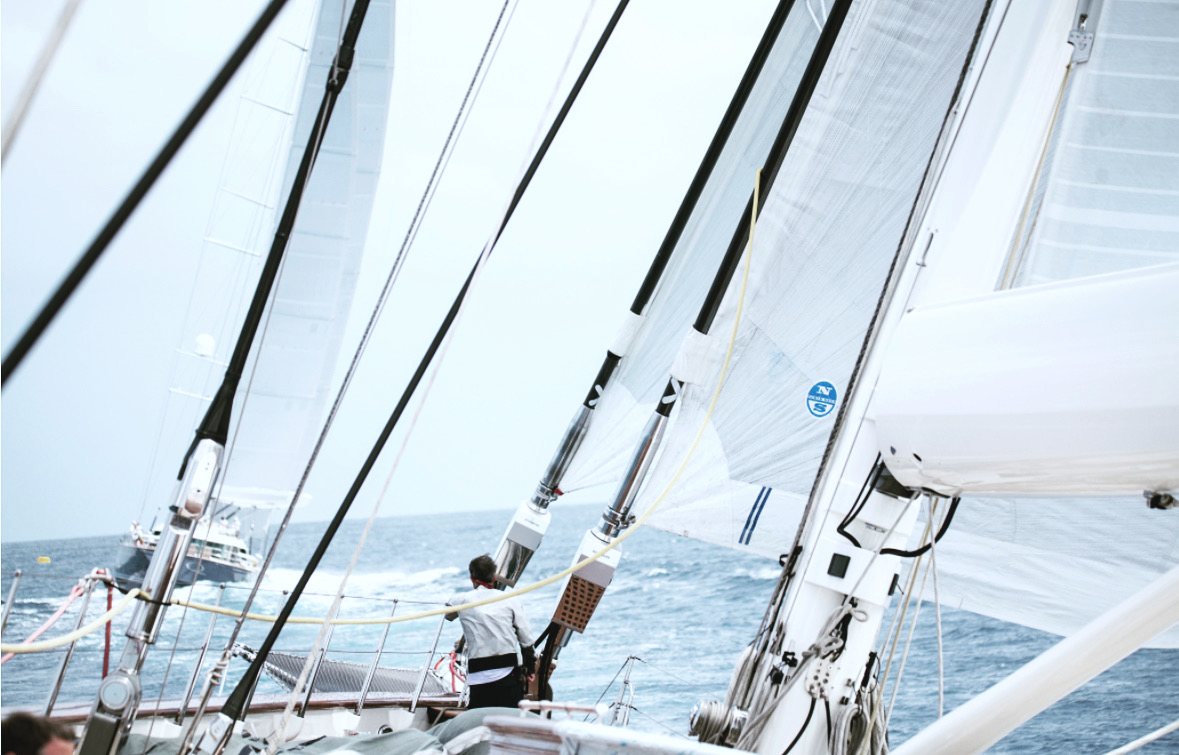
Psychological First Aid at Sea
Every crew knows what to do about a wound, almost none know what to do about the fear.
The missing part of the medical kit.
The WHO Look, Listen & Link model adapted for maritime.
Resilience at Sea
Resilience at Sea — a 27-page handbook for superyacht crew on the people problems nobody trains you for: an owner losing their temper, a crewmate falling apart, and the aftermath everyone pretends didn't happen.
With practical scripts, clear escalation thresholds, and a tear-out quick reference. Not therapy, not clinical training. The words to use when help is hours away.
.
About Amanda
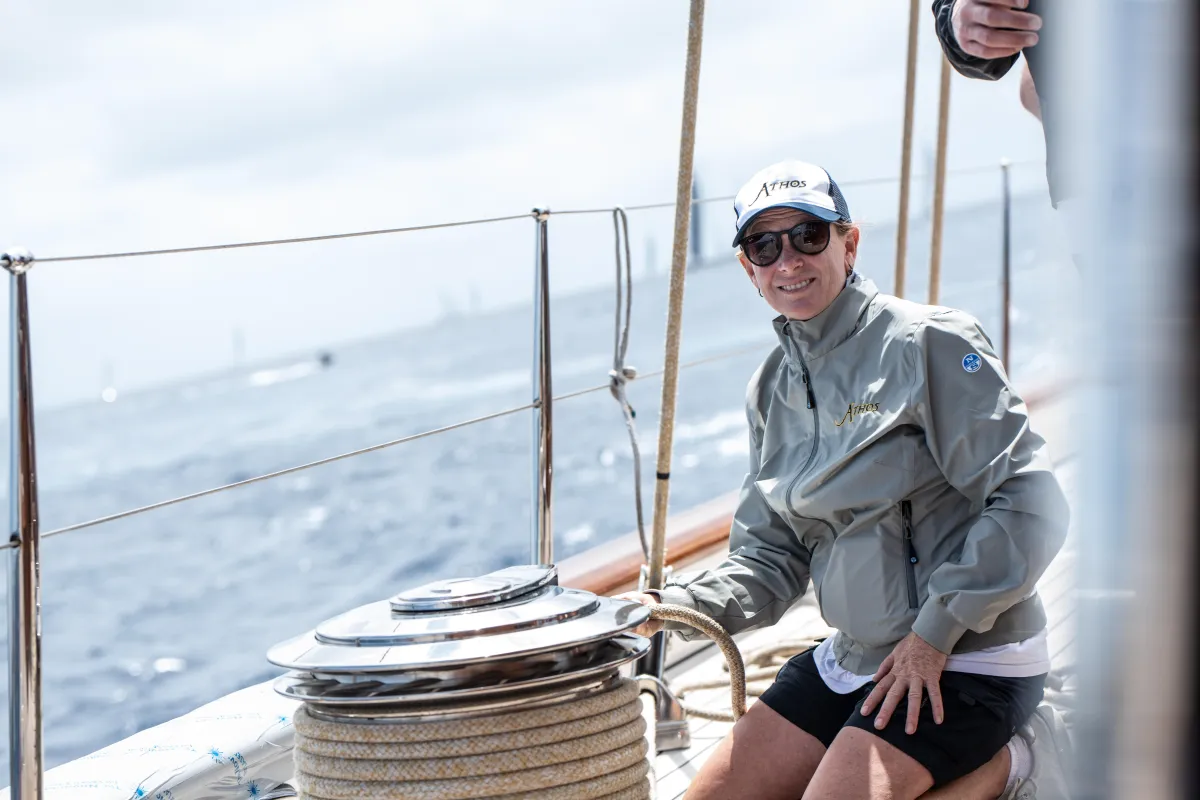
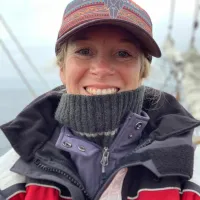
The Yacht Medic is Amanda Hewson Beaver — a registered nurse, former paramedic, and rescue and retrieval nurse who has been the nearest person more times than she can count. In the outback, in refugee camps, offshore, and on the deck of a boat a long way from help.
She has been the medic on the Sydney Hobart, the Fastnet, and the Rolex 600, and has trained Olympic, Ocean Race, America's Cup, and J Class teams. She teaches what she has actually done — which is why crew remember it.
The Dive that Started Smooth
The Dive That Started Smooth… Until It Didn’t
Not every dive incident starts with blood. Sometimes it starts with breathing that suddenly isn’t your own.
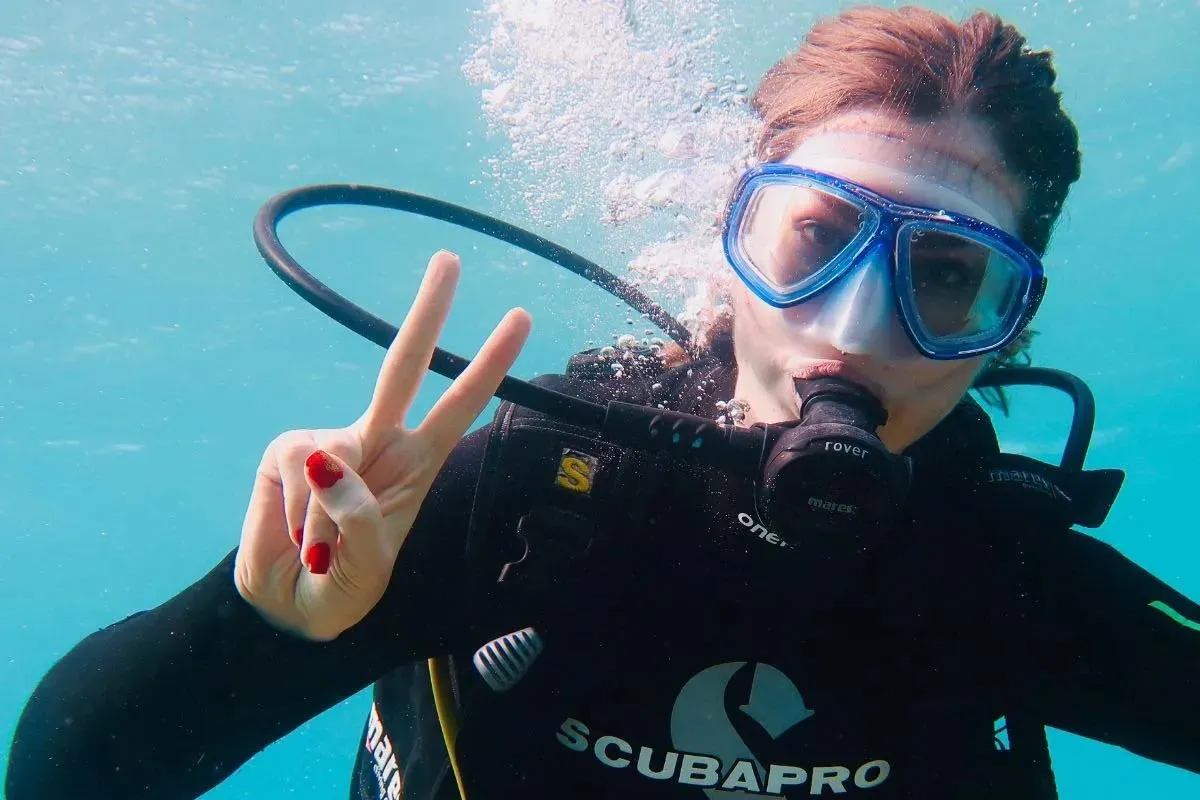
We were doing a routine fun dive off the stern. Clear water, low current, 18 metres — easy.
One of the crew, a confident but slightly anxious diver, was doing great. Until a harmless nurse shark, curious as they often are, drifted in from the right-hand side.
It didn’t touch her.
It didn’t charge.
It literally did what nurse sharks do — mooch around like oversized catfish.
But she froze.
Her breathing changed instantly:
• shallow
• fast
• mask fogging
• hands shaking enough to lose buoyancy control
And the real danger began: the panic response underwater.
Most dive emergencies start with physiology + psychology mixing.
Panic → rapid breathing → CO₂ spike → narcosis-like fog → poor decisions.
No blood. No broken bones. Just a normal human stress response at depth.
Tomorrow: What actually happens inside the body when a diver panics — and why it can escalate fast.