39.69° N · 3.02° E — THE YACHT MEDIC
1. Medical Training for the Moment Help is A Long Way Away
Approved - STCW Medical qualifications and Psychological First Aid at Sea
Taught by a Health Educator, Emergency Nurse & Professional Sailor with 30 years on the water, not just in the classroom.
MCA Approved - STCW Compliant in Palma de Mallorca, and Onboard Worldwide
MCA Approved - STCW Compliant
Onboard Training Globally
Classroom Training Palma de Mallorca
The recognised maritime medical qualifications - for anyone designated to give first aid or take charge of medical care onboard.
Medical First Aid (3 Days )
Proficiency in Medical Care (4.5 Days)
Update in Medical Care (3 Days)
Psychological First Aid (0.5-2 Days)
Bespoke Training
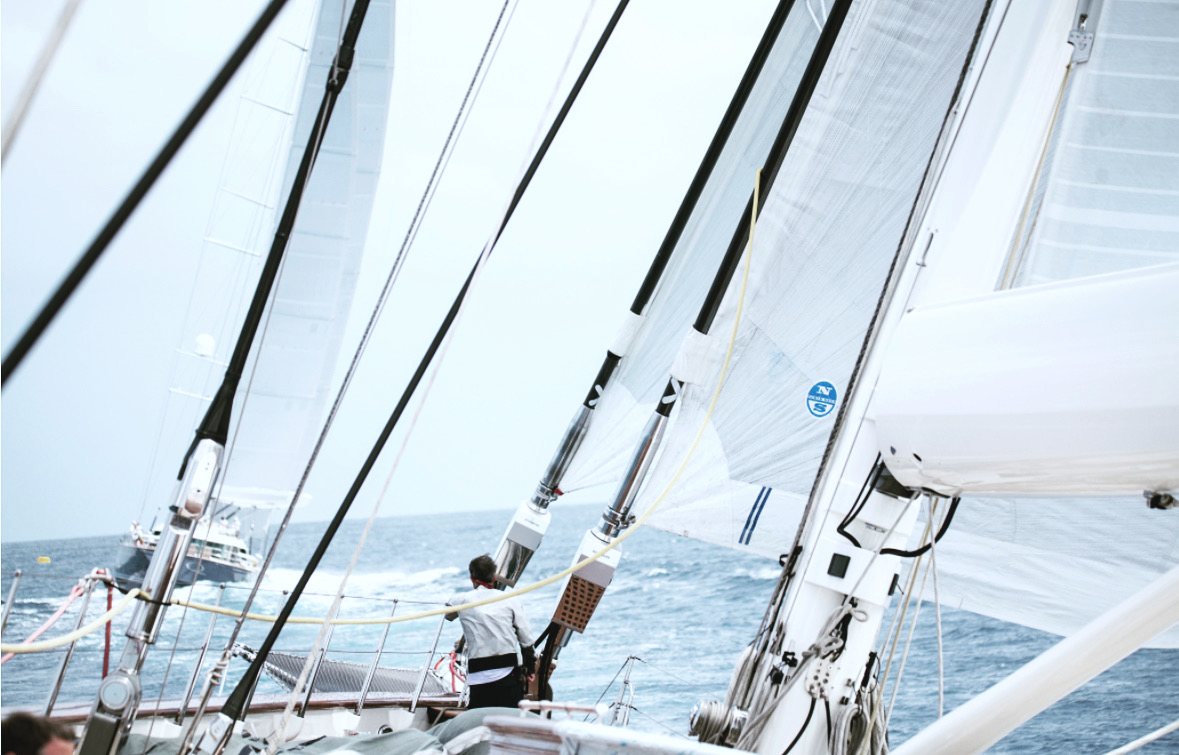
Psychological First Aid at Sea
Every crew knows what to do about a wound, almost none know what to do about the fear.
The missing part of the medical kit.
The WHO Look, Listen & Link model adapted for maritime.

Resilience at Sea
Resilience at Sea — a 27-page handbook for superyacht crew on the people problems nobody trains you for: an owner losing their temper, a crewmate falling apart, and the aftermath everyone pretends didn't happen.
With practical scripts, clear escalation thresholds, and a tear-out quick reference. Not therapy, not clinical training. The words to use when help is hours away.
.
About Amanda
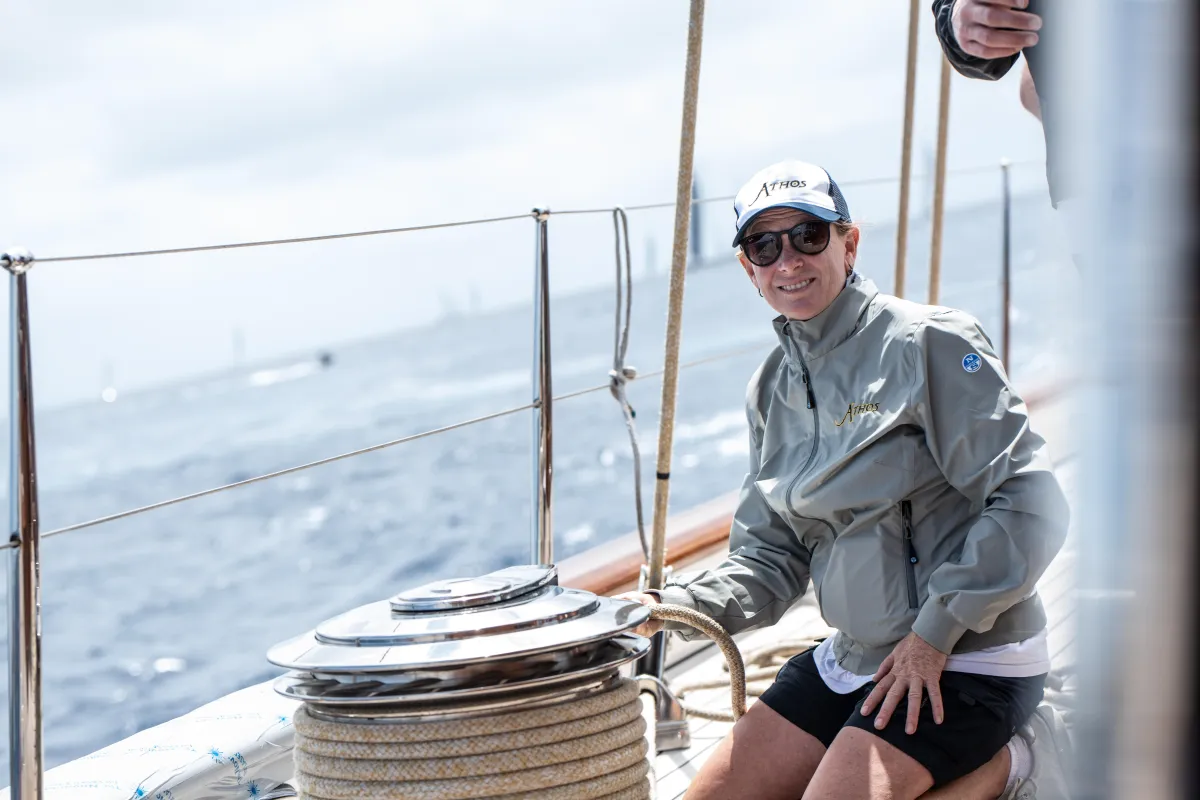
The Yacht Medic is Amanda Hewson Beaver — a registered nurse, former paramedic, and rescue and retrieval nurse who has been the nearest person more times than she can count. In the outback, in refugee camps, offshore, and on the deck of a boat a long way from help.
She has been the medic on the Sydney Hobart, the Fastnet, and the Rolex 600, and has trained Olympic, Ocean Race, America's Cup, and J Class teams. She teaches what she has actually done — which is why crew remember it.
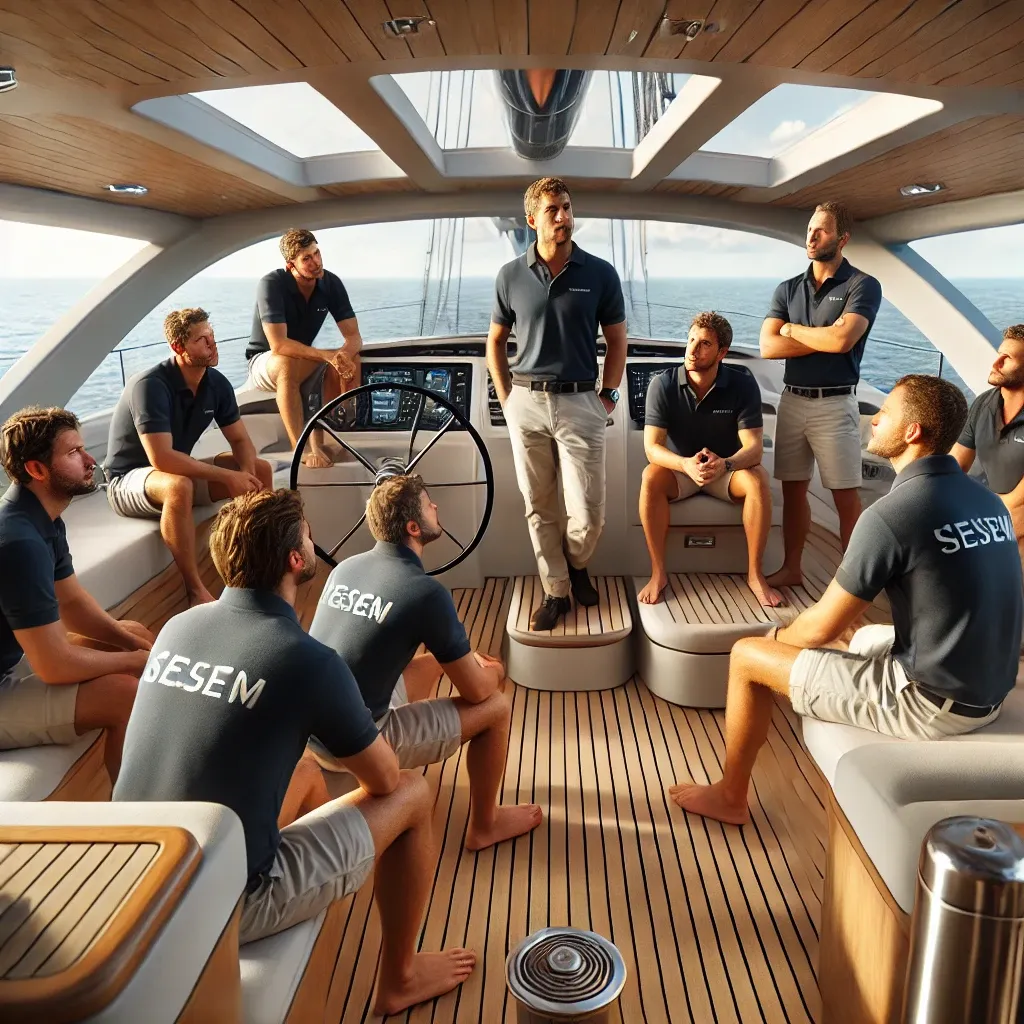
Crew Debrief After a Death at Sea – Why It Matters More Than You Think
Crew Debrief After a Death at Sea – Why It Matters More Than You Think
When a medical emergency happens at sea—especially one that results in a death—most crews know what to do operationally. But it’s what happens after the incident that truly tests your leadership.
The CPR is over. The guest didn’t survive. The body has been respectfully cared for, the family informed, and authorities notified.
Now what?
The next 30 minutes could shape your crew’s emotional resilience—not just for this trip, but for the rest of the season, or even their career.
Why the Crew Debrief Is Critical After Death at Sea
Death onboard is a confronting, emotional event—especially when it happens in front of crew who’ve worked so hard to save someone.
Whether it’s a guest or crew member, the impact ripples through everyone:
✔ The stewardess who delivered CPR
✔ The deckhand who called for help
✔ The captain who made the call to stop
Without a structured debrief, emotions linger:
❌ Guilt
❌ Shock
❌ Self-blame
❌ "Could I have done more?"
The Yacht Medic Approach – Running a Professional Crew Debrief
1. Call the Crew Together – Privately, No Distractions
✔ Mandatory attendance—this is about care, not judgment
✔ Radios off, no guests around
✔ Make it clear: this is confidential, safe, and necessary
2. Recount the Medical Event Factually
✔ What happened—minute by minute
✔ What went well
✔ What was challenging
✔ What changes could be made for next time
🗝 Tip: Stick to facts to help the team process what really happened—adrenaline clouds memory.
3. Acknowledge the Emotional Impact
✔ How is everyone feeling now that it’s over?
✔ Validate every response—shock, anger, guilt, tears, numbness—all are normal
✔ Remind the team: they followed protocol, they did their job, and none of this was their fault
4. Explain What Happens Next
✔ Medical, legal, and operational steps
✔ Family has been informed and support is in place
✔ No blame will be assigned—this is about care, not criticism
5. Psychological First Aid – The Next Few Days Matter
✔ Offer time off duty to those most impacted
✔ Provide access to psychological support if needed
✔ Watch for delayed reactions: sleep issues, isolation, mood changes
✔ Schedule a follow-up check-in
Captain’s Note:
The strength of your leadership shows here—not just in how you run an emergency, but in how you protect your crew afterwards.
Don’t skip the debrief.
Don’t brush off the emotional impact.
This is what keeps good crew operating at their best—and protects them long-term.
Final Thought:
At sea, you train hard for the physical emergency. But what defines great leadership is how you handle what happens after.
Psychological First Aid should be standard practice on every superyacht. Protect your team. Build your culture. Do this well.
Disclaimer:
This post is for educational purposes only. It is not medical or psychological advice. Always follow your yacht’s medical protocols and consult telemedicine or mental health professionals after serious incidents.
Reference List:
International Maritime Organization (IMO) – International Convention on Standards of Training, Certification and Watchkeeping for Seafarers (STCW)
Guidelines for training and emergency procedures onboard, including medical care.
https://www.imo.orgUK Maritime and Coastguard Agency (MCA) – The Ship Captain’s Medical Guide (22nd Edition)
Comprehensive guide for medical care onboard, including handling death at sea.
https://www.gov.uk/government/publications/the-ship-captains-medical-guideWorld Health Organization (WHO) Psychological First Aid: Guide for Field Workers
Evidence-based framework for offering immediate psychological support after trauma.
https://www.who.int/publications/i/item/9789241548205International Transport Workers' Federation (ITF) – Seafarers’ Mental Health Guidelines
Best practices for supporting crew mental health and wellbeing in maritime environments.
https://www.itfseafarers.orgMaritime UK – Mental Health Awareness and Resources for Seafarers
Practical tools and guidance for managing psychological risks and emotional wellbeing at sea.
https://www.maritimeuk.orgAmerican Psychological Association (APA) – Debriefing After Trauma
Evidence and guidelines on conducting effective psychological debriefs after critical incidents.
https://www.apa.orgInternational Maritime Health Association (IMHA) – Recommendations for Mental Health at Sea
Guidelines focused on mental health management and crisis response in maritime operations.
https://www.imha.netWorld Extreme Medicine (WEM) – Psychological First Aid in Remote and Extreme Environments
Training resources and guidelines for remote medics and expedition teams.
https://worldextrememedicine.comMedical Support Offshore (MSOS) THEMIS Telemedicine Guidelines
Telemedical guidance and best practice for managing medical and psychological emergencies onboard superyachts.
https://www.msos.org.uk