39.69° N · 3.02° E — THE YACHT MEDIC
1. Medical Training for the Moment Help is A Long Way Away
Approved - STCW Medical qualifications and Psychological First Aid at Sea
Taught by a Health Educator, Emergency Nurse & Professional Sailor with 30 years on the water, not just in the classroom.
MCA Approved - STCW Compliant in Palma de Mallorca, and Onboard Worldwide
MCA Approved - STCW Compliant
Onboard Training Globally
Classroom Training Palma de Mallorca
The recognised maritime medical qualifications - for anyone designated to give first aid or take charge of medical care onboard.
Medical First Aid (3 Days )
Proficiency in Medical Care (4.5 Days)
Update in Medical Care (3 Days)
Psychological First Aid (0.5-2 Days)
Bespoke Training
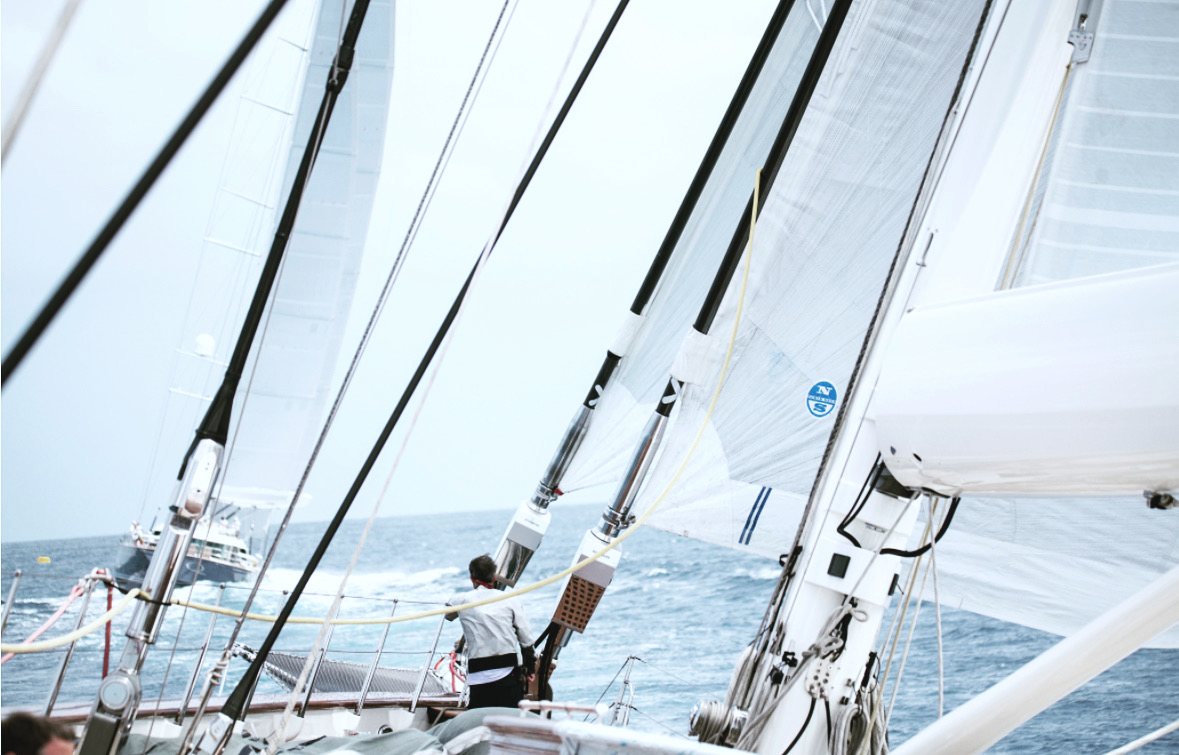
Psychological First Aid at Sea
Every crew knows what to do about a wound, almost none know what to do about the fear.
The missing part of the medical kit.
The WHO Look, Listen & Link model adapted for maritime.
Resilience at Sea
Resilience at Sea — a 27-page handbook for superyacht crew on the people problems nobody trains you for: an owner losing their temper, a crewmate falling apart, and the aftermath everyone pretends didn't happen.
With practical scripts, clear escalation thresholds, and a tear-out quick reference. Not therapy, not clinical training. The words to use when help is hours away.
.
About Amanda
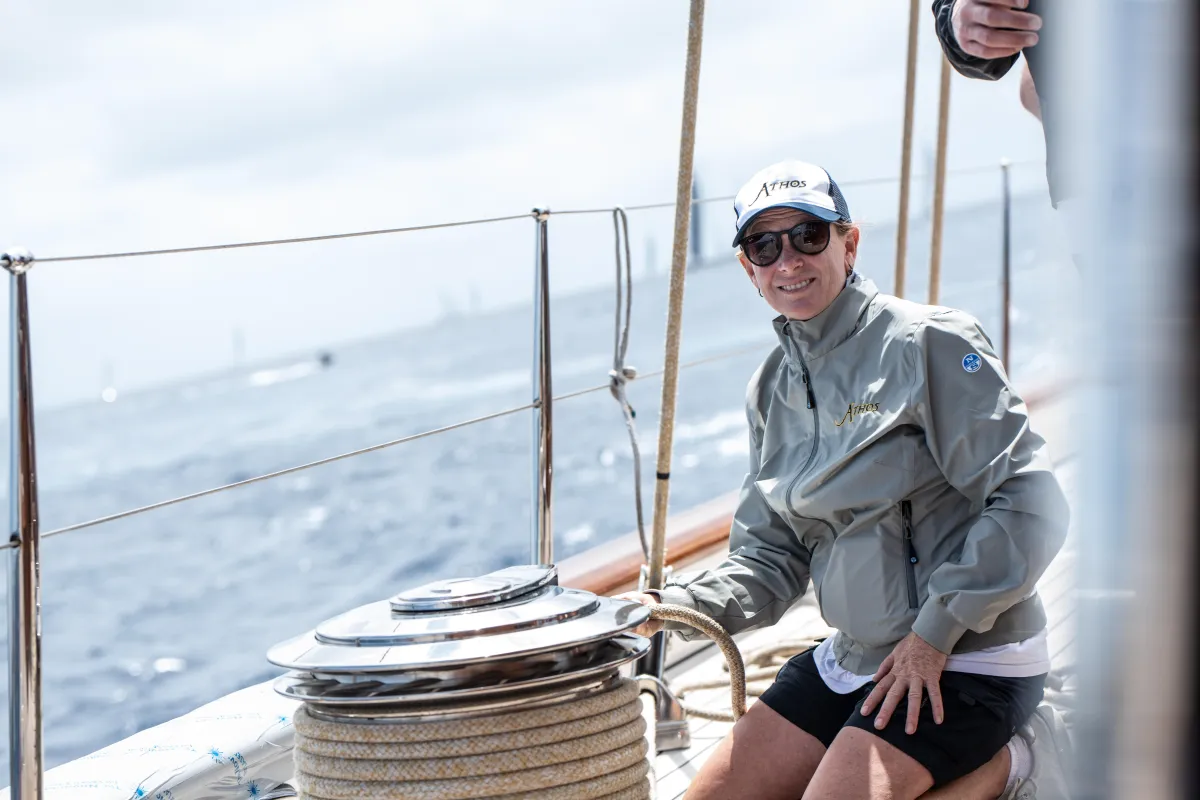
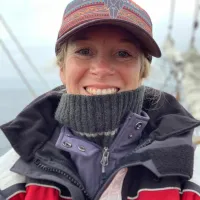
The Yacht Medic is Amanda Hewson Beaver — a registered nurse, former paramedic, and rescue and retrieval nurse who has been the nearest person more times than she can count. In the outback, in refugee camps, offshore, and on the deck of a boat a long way from help.
She has been the medic on the Sydney Hobart, the Fastnet, and the Rolex 600, and has trained Olympic, Ocean Race, America's Cup, and J Class teams. She teaches what she has actually done — which is why crew remember it.
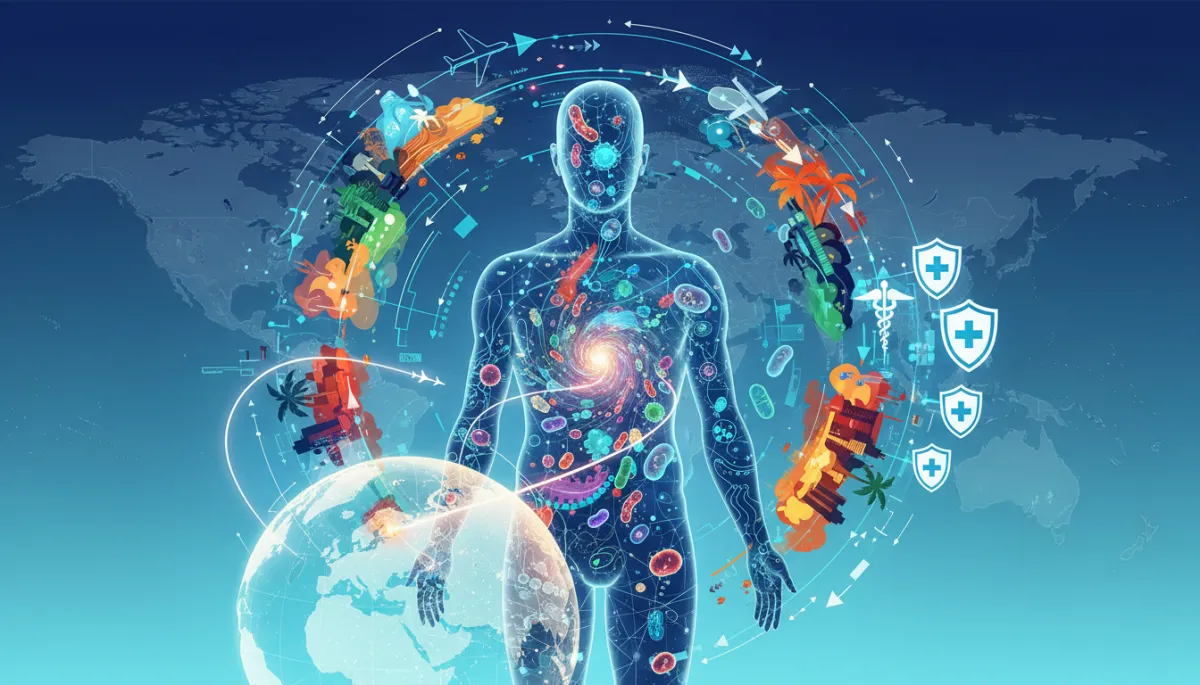
Global Travel's Impact on Human Health
Health, Global Travel
We Were Not Designed For This: How Global Travel Reshaped Human Health
Modern travel lets us cross the planet in hours, but our biology still runs on ancient rules. Understanding that mismatch is the key to traveling more safely and wisely.
From Walking the Earth to Crossing It Overnight
For most of human history, movement was slow. People migrated on foot, by animal, or by sail, taking weeks or months to reach new environments. Pathogens, diets, and climates changed gradually, giving bodies and communities time to adapt. Today, a single overnight flight can move a person—and the microbes they carry—between completely different ecosystems. This speed is at the heart of how modern travel reshapes human health.
How Modern Travel Strains the Immune System
Rapid movement across continents forces the immune system into constant catch‑up. Long flights disrupt sleep, dehydrate the body, and expose travelers to crowded, enclosed airspaces. Stress hormones rise, melatonin plummets, and immune defenses temporarily weaken—just as you are surrounded by unfamiliar viruses and bacteria. This is why even healthy travelers often get “plane colds” or feel run‑down after international trips. The immune system was designed for gradual environmental shifts, not sudden jumps between seasons, hemispheres, and microbial worlds in less than a day.
Gut Microbiomes on Fast‑Forward
Your gut microbiome—trillions of bacteria, fungi, and viruses lining the digestive tract—evolves with your local food, water, and environment. When you fly from London to Lima or Tokyo to Nairobi, your microbes face an abrupt new menu: different fibers, spices, fats, and local microbes in food and water. This shock can lead to bloating, constipation, traveler’s diarrhea, and increased gut permeability. In effect, the microbiome must rapidly renegotiate its balance in a setting it never had time to evolve for, and your digestion and immune resilience can suffer in the process.
Global Travel and the Acceleration of Disease Spread
Historically, disease transmission was limited by speed. An infected person or flea could only travel as fast as a ship or caravan. Outbreaks burned through regions slowly, sometimes dying out before reaching distant populations. Modern air travel erases those natural brakes. A contagious traveler can board a plane in one continent and land in another before symptoms even begin, carrying influenza, COVID‑19, measles, or other infections across borders in a single day. Air routes have become high‑speed highways for microbes, connecting cities into one vast epidemiological network.
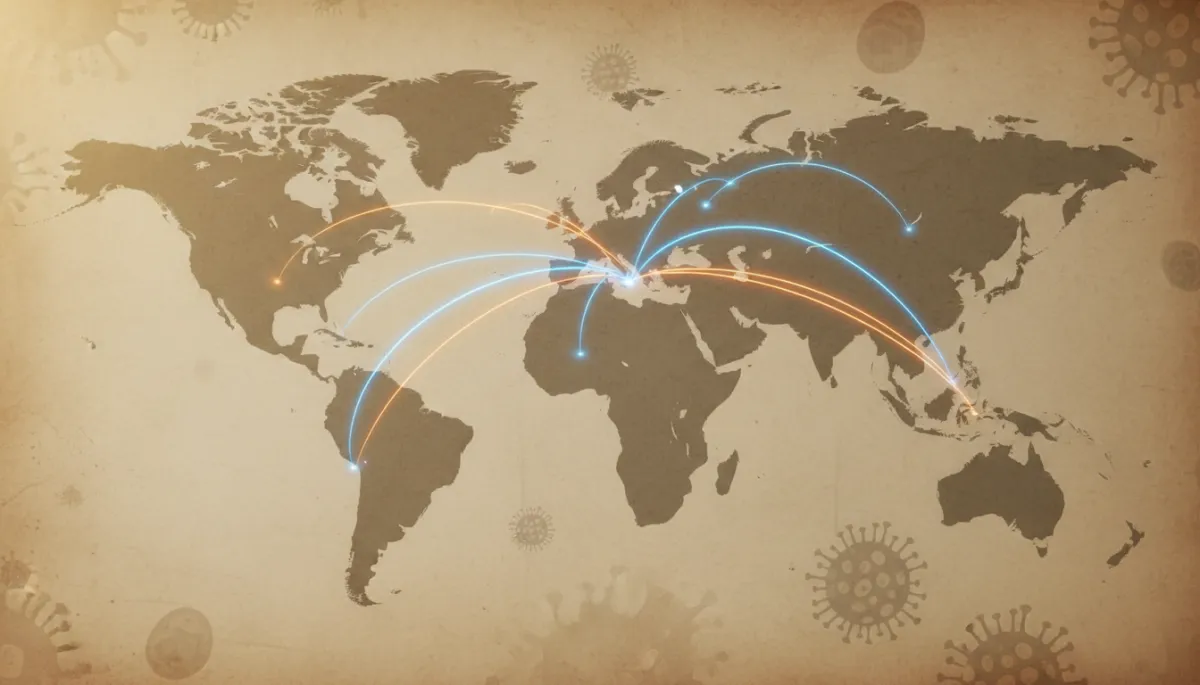
Jet routes turn local outbreaks into global events within days instead of years.
Yesterday’s Plagues vs. Today’s Plane Routes
Comparing historical disease spread with modern air travel highlights how drastically the rules have changed. The Black Death in the 14th century crawled along trade routes, taking years to move across Europe. In contrast, contemporary respiratory viruses can appear on every inhabited continent in a matter of weeks. What once required generations of migration now happens in a handful of flight connections. Our public health systems and personal habits are still adjusting to this unprecedented speed of movement.
Biological Mismatches with Local Environments
When we land in a new place, our bodies often collide with local realities they were not prepared for. Sun intensity, altitude, humidity, allergens, and local microbes can all create a biological mismatch. A traveler from a temperate climate may burn quickly in tropical sun, struggle to sleep in equatorial heat, or react strongly to local pollens and molds. Water quality and food handling standards vary widely, and what is safe for local residents—whose immune systems and microbiomes are adapted—may overwhelm a visitor’s defenses. These mismatches are not failures of the destination; they reflect how tightly health is woven into local ecology and long‑term adaptation.
Ciguatera and the Hidden Lessons of Ecology
Ciguatera fish poisoning is a striking example of how ecology shapes health risks for travelers. In tropical and subtropical waters, tiny marine organisms called dinoflagellates produce ciguatoxins that accumulate up the food chain into larger reef fish. Locals often know which species, sizes, or fishing grounds to avoid, guided by generations of observation. Visitors, however, may order a beautifully grilled reef fish without realizing it can cause intense nausea, neurological symptoms, and bizarre sensations like hot things feeling cold. The danger is not obvious from the plate in front of you; it is embedded in the local marine ecosystem and food web, which outsiders rarely see.
Ecology as a Silent Partner in Every Trip
Whether it is mosquitoes carrying malaria, sandflies transmitting leishmaniasis, or algae toxins concentrating in seafood, local ecology quietly shapes health outcomes. Climate, wildlife, water systems, and human land use all influence which diseases are present and how they spread. When we travel, we step into these ecological networks without the benefit of long‑term adaptation. Recognizing this connection reframes health advice from a list of rules into a map of relationships between people, places, and living systems. Healthy travel is, in many ways, ecological literacy in motion.
Rethinking Travel Medicine: Beyond Shots and Pills
Traditional travel medicine has focused on vaccines, malaria tablets, and basic safety advice. Those remain essential, but they no longer go far enough in a world of nonstop flights and tightly packed itineraries. To truly support modern travelers, travel medicine needs to evolve into a more holistic discipline that anticipates how rapid movement across time zones, climates, and ecologies stresses the whole body—mind, immune system, and microbiome included.
Circadian Protection: Guarding the Body’s Internal Clock
Our internal clocks evolved around sunrise and sunset, not red‑eye flights and 12‑hour time jumps. Jet lag is more than feeling tired; it disrupts hormone rhythms, digestion, mood, and immune function. Future‑ready travel medicine should include circadian protection: guidance on timed light exposure, strategic napping, meal timing, and, where appropriate, careful use of melatonin or other sleep aids. Protecting circadian rhythms helps the body respond better to new environments, reducing vulnerability to infections and inflammation.
Immune Support: Preparing for New Microbial Worlds
Immune support for travelers can no longer mean “take vitamin C and hope.” It should include personalized vaccination planning, strategies to maintain sleep and hydration, and evidence‑based approaches to supporting gut health—such as prebiotic‑rich foods and, in some cases, targeted probiotics. Hand hygiene, mask use in crowded spaces, and avoiding travel while acutely ill protect not only the individual but also everyone sharing the air. Strengthening the immune system before, during, and after travel acknowledges how radically we now move between microbial ecosystems.
Recovery Planning: Health Does Not End at Arrival
Many trips are scheduled as if bodies were as fast and frictionless as planes: land, work hard, sightsee, fly home, repeat. Recovery planning treats health as part of the itinerary, not an afterthought. That means building in buffer days after long‑haul flights, prioritizing sleep over back‑to‑back commitments, rehydrating aggressively, and easing back into normal routines at home. For frequent flyers, it may also involve periodic health check‑ins, lab work, or tailored interventions to monitor how repeated time‑zone shifts and exposures are affecting long‑term wellbeing.
Toward Smarter Travel and Stronger Health Protection
Global travel is not going away—nor should it. It connects families, fuels economies, and broadens our understanding of the world. But we need to stop pretending that our biology has kept pace with our boarding passes. Smarter travel means acknowledging the impact of rapid movement on immune systems, gut microbiomes, and disease spread, and respecting the ecological contexts we step into with every trip. It calls for travel medicine that protects circadian rhythms, supports immunity, and plans for recovery as intentionally as we plan meetings and excursions. When we align how we move with how our bodies actually work, we do more than avoid illness—we turn travel into a practice that expands our lives without quietly eroding our health.